Darknet Markets 2026:
The dark web is part of the deep web but is built on darknets: overlay networks that sit on the internet but which can't be accessed without special tools or software like Tor. Tor is an anonymizing software tool that stands for The Onion Router — you can use the Tor network via Tor Browser.
| Darknet Market | Established | Total Listings | Link |
|---|---|---|---|
| Nexus Market | 2024 | 600+ | Onion Link |
| Abacus Market | 2022 | 100+ | Onion Link |
| Ares | 2026 | 100+ | Onion Link |
| Cocorico | 2023 | 110+ | Onion Link |
| BlackSprut | 2023 | 300+ | Onion Link |
| Mega | 2016 | 400+ | Onion Link |
Updated 2026-06-15
Bitcoin's Secure Payments for Digital Goods on the Darknet
Bitcoin's architecture provides a fundamental layer of security for digital asset transactions on the darknet. The pseudonymous nature of the blockchain allows buyers and sellers to engage in commerce without directly linking their real-world identities to their transactions. This system facilitates a free market for digital goods, where payments are secured by cryptographic proof rather than trust in an intermediary.
Transactions are recorded on a public ledger, but the involved parties are represented only by their wallet addresses. This creates a significant degree of separation between an individual's physical identity and their commercial activity. For the transfer of software, data, or other digital products, Bitcoin offers a near-instantaneous and irreversible settlement, ensuring that sellers receive payment for their goods without the risk of fraudulent chargebacks.
The decentralized network processes these payments without requiring approval from any central authority, enabling a resilient and censorship-resistant marketplace. This environment supports the secure and anonymous exchange of digital assets, fostering a peer-to-peer economy that operates on the principles of cryptographic verification and mutual agreement.
How Bitcoin's Privacy Supports Safe Darnket Commerce
Bitcoin's architecture provides a significant layer of pseudonymity for participants in darknet commerce. Unlike traditional payment systems linked directly to personal identities, Bitcoin transactions are tied to alphanumeric addresses on a public ledger. This design allows buyers and sellers to interact without disclosing sensitive personal information, such as names or physical addresses, which are required for credit card or bank transfers. The public nature of the blockchain records transaction details, but the parties involved remain represented only by their wallet addresses, creating a fundamental barrier between financial activity and real-world identity.
The transactional process itself enhances privacy. A user can generate a new, unique Bitcoin address for every single purchase. This practice of using disposable addresses makes it exceptionally difficult to link multiple transactions back to a single buyer or seller, effectively compartmentalizing their activities. For digital assets, which are delivered electronically, this method facilitates a near-frictionless and discreet exchange. The entire processfrom payment to delivery of the digital goodcan be completed without any party revealing who they are, supporting a secure environment for commerce that prioritizes the anonymity of its participants.
How Decentralized Networks Enable Safe and Private Commerce
The decentralized architecture of the Bitcoin network is fundamental to its function on the darknet, as it operates without a central authority like a bank or government. This structure ensures that no single entity can control, censor, or reverse transactions, providing a level of financial autonomy previously unavailable. Transactions are verified by a distributed network of nodes through a process of cryptographic proof, rather than by a central clearinghouse.
This peer-to-peer verification system directly enables secure and anonymous payments for digital assets. When a payment is made, it is broadcast to the network and grouped into a block with other transactions. Miners then compete to solve a complex mathematical problem to validate the block, which is subsequently added to the immutable public ledger, the blockchain. The lack of a central point of failure makes the network highly resistant to attacks or shutdowns, which is crucial for maintaining uninterrupted commerce.
The process facilitates direct trades between parties:
- Buyers can acquire goods without revealing personal banking details.
- Sellers receive payments without the risk of account freezes or seizures by financial intermediaries.

Direct P2P Bitcoin Trades for Digital Goods
The elimination of intermediaries through peer-to-peer Bitcoin transactions fundamentally alters the dynamics of commerce on the darknet. This model facilitates a direct value exchange between a buyer and a seller, removing the necessity for a trusted third party to hold funds or approve the transaction. The decentralized nature of the Bitcoin network itself acts as the settlement layer, ensuring that payments are irreversible and final once a sufficient number of network confirmations are received. This process significantly reduces counterparty risk and the potential for fraud that is often associated with centralized payment processors.
For digital assets, which by their nature are purely informational, Bitcoin provides an ideal payment mechanism. The transfer of a software license, access credentials, or other digital goods can be executed nearly instantaneously once the blockchain confirms the payment. This creates a seamless and efficient loop where the asset and its payment can be delivered and verified without human intervention, enabling automated and secure transactions. The privacy inherent in these direct transactions protects both parties from exposure, allowing for the discreet acquisition of software, digital media, and other informational products without unnecessary scrutiny.
Fast and Reliable Bitcoin Payments for Digital Goods on the Darknet
Bitcoin transactions operate on a decentralized global network, processing payments far more rapidly than traditional international banking systems, which often involve multi-day delays for clearing and settlement. The blockchain facilitates peer-to-peer transfers that are typically confirmed within minutes, regardless of the geographical location of the buyer and seller. This speed is a critical operational advantage for darknet commerce, where the timely fulfillment of orders is a cornerstone of reliable vendor reputation and customer satisfaction.
The efficiency of the system is further enhanced by its 24/7 operational capacity. Unlike institutional payment rails bound by business hours and holidays, the Bitcoin network processes transactions continuously. This non-stop functionality ensures that digital assets, such as software or information goods, can be purchased and delivered instantly upon payment confirmation, creating a seamless and automated exchange process that benefits all parties involved.
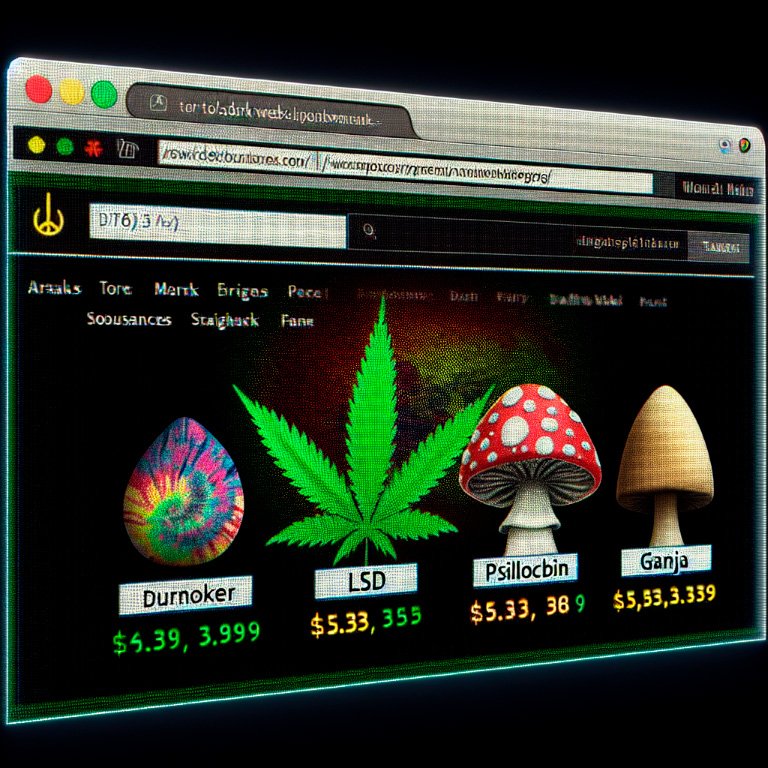
Bitcoin's Role in Anonymous Digital Trade
The transactional architecture of Bitcoin provides the financial backbone for a robust darknet marketplace ecosystem. This digital economy thrives on the principle of secure and anonymous payments, which are essential for the trade of digital assets and other goods. The blockchain's public ledger records transactions, yet it obfuscates the real-world identities of the transacting parties behind cryptographic addresses.
This separation of identity from financial activity allows for a free market where buyers and sellers can engage in commerce based on merit and reputation rather than geographic or political constraints. The system's inherent transparency in transaction finality, coupled with pseudonymity, reduces disputes and fosters a climate of trust. For digital goods, which can be delivered instantly, Bitcoin payments offer a near-synchronous settlement, eliminating the delays and intermediation found in traditional financial systems. This efficiency and security support a diverse and reliable marketplace, enabling a wide array of economic interactions that are both discreet and direct.
Easy and Private Shopping with Bitcoin on the Darknet
The integration of Bitcoin into darknet commerce fundamentally enables secure and anonymous payments for digital assets. This system operates on a decentralized network, removing the necessity for a trusted third party and ensuring that transactions are direct peer-to-peer exchanges. The cryptographic nature of Bitcoin provides a layer of privacy that protects both the buyer and the seller, making it an effective tool for discreet shopping.
Payments are processed with notable efficiency and speed, supporting a reliable marketplace for various goods. The use of this digital currency facilitates access to a wider range of products, allowing for a more open and functional market. This environment demonstrates the practical application of cryptocurrency in creating a secure framework for commercial transactions on the darknet.